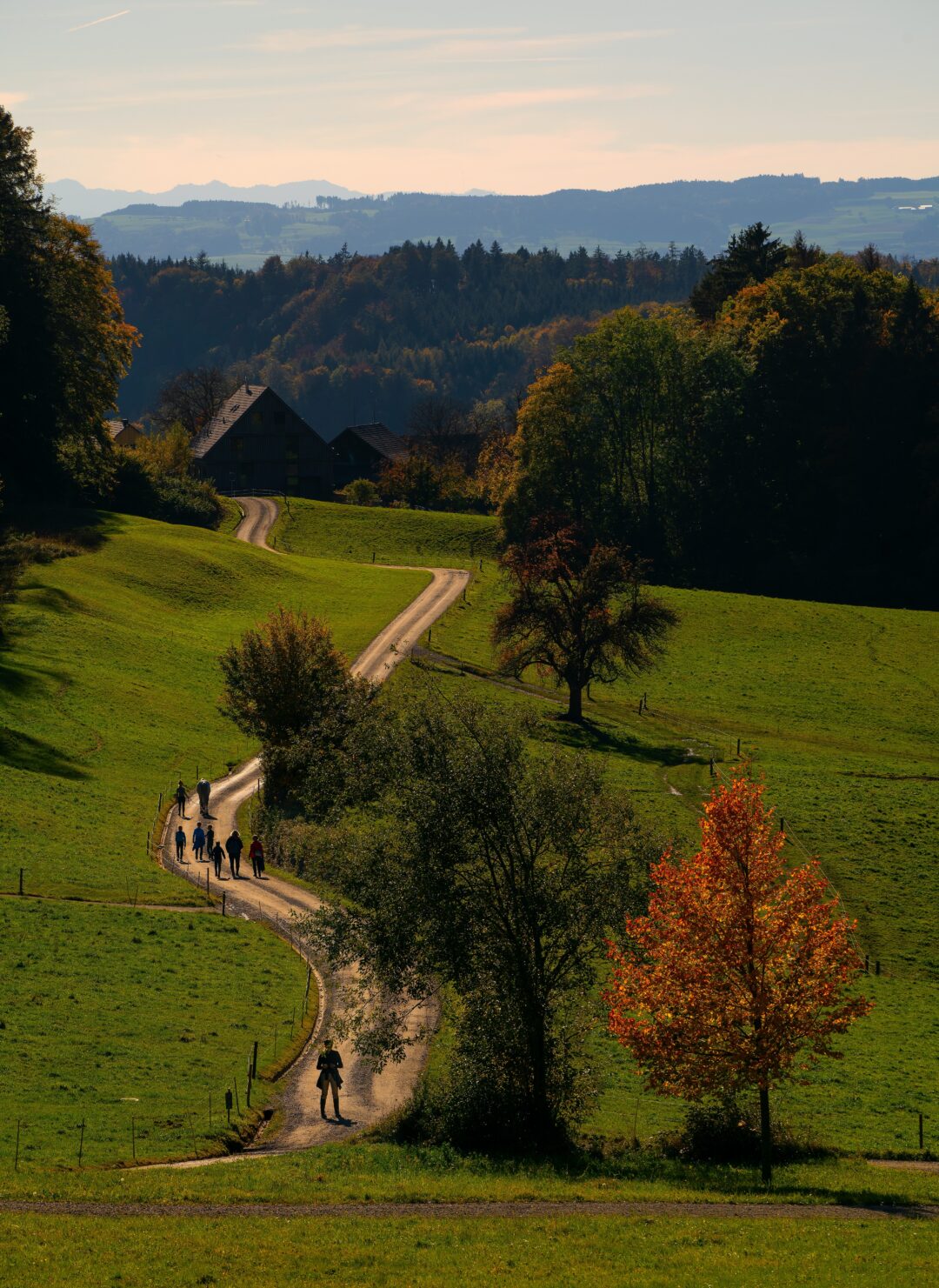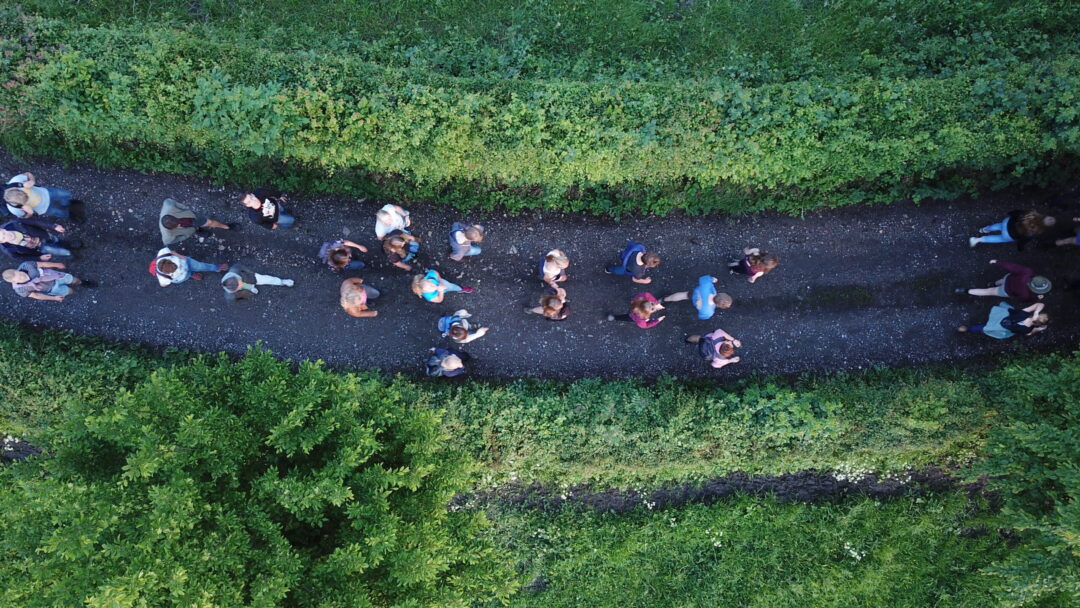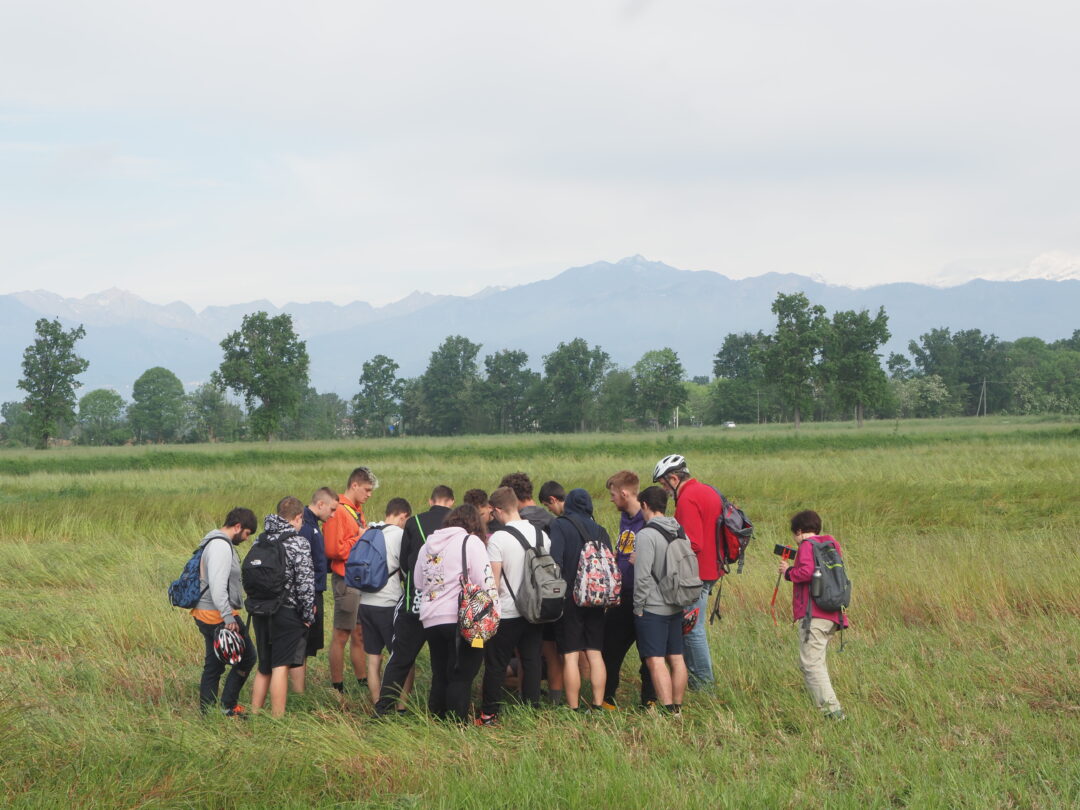



Support your students to learn more, by giving them a chance to define their own learning pathway while giving them a great time in the field. In this article, Peek Field Trip Designer Teun Vogel explains how Peek supports in this educational approach.
Guidance learning along the way
Timed feedback is very important in student learning. Even though excursions are appreciated by students anyway, they often are not used in the most optimum way to make the students owners of the course content, and to improve the student, not the work.
If you want to do it right, you want to continuously monitor the learning progressions of your students. Where are they in their learning, are they aware of that themselves, and do they know how to get where you want them to go?
Even though Peek can be used as a summative assessment, wrapping up a course and assessing the students knowledge, you can also use an excursion as a formative assessment: steering students onwards in their learning progress.
So. Why would I?
Research has shown that if you make students aware of what they are learning, and give them freedom to decide their learning path, they become owners of their own learning. They take a step back to review their own learning process, and, together with you, decide where to go.
Does this sound complex, and theoretical? Let me give an example of two different ways of setting up an excursion. Two extremes – I know 🙂
- Logistics and (no) organisation
In one example, a lecturer sends his students in the field, to assess the knowledge they have learned in class. They run into a nature reserve with pen and paper. On the paper, they find a map with locations where they have to go. While some decide to go to the first location, others cannot read the map and get lost, and the last group go to the restaurant first and lose their papers. Those who actually go to the location answer the questions, without having a clue if they are on the right track. Back in the bus, they forget what they learned, the lecturer cannot really analyse the results as most papers are either lost, or soaked in mud – if the teacher has time to analyse in the first place. 99% information loss, and the students have not been involved in what they did, nor have learned anything. - Layered learning and involved students
In another life, the lecturer sends his students in the field with Peek, to assess the knowledge they have learned in class and to guide them to the final exam of the course. In an introduction lecture they learn the expected outcome of the excursion, clarifying the expectations. Then, in the field, students know where to go, they fill out the answers and get direct and personal feedback. They learn to create questions themselves, the excursion is aligned with the learning outcomes of the course, so they learn about next steps to take after the excursion. In the bus afterwards, the lecturer shares the most striking results, like questions that were answered wrongly by most groups, and discusses questions that were posed by the students.
Like said, two extremes, and of course most of the elements could also be done without using Peek at all, but the message we want to bring across is: Peek can be used as a tool to guide the students in their learning from start to finish, in every step they take. On the right time, the right location and in the right way.
Formative assessment cycle
This concept is called formative assessment, and is a widely approved concept in the development of education, like in the formative assessment cycle (Veugen, Gulikers, Den Brok, 2021).

Interestingly, we find a lot of overlap between the formative assessment cycle created by the authors and the ‘Peek excursion cycle’, where students can become aware of their own learning journey. The formative feedback is included in the concept of using Peek as a tool, in a two way process, giving the students ownership of their learning by actively involving them in their own learning.
How? Get ready!
Shaping your students learning with Peek
We recognize the five phases in the development of your ideal excursion in Peek:
Phase 1: Clarifying expectations
We clarify expectations for the excursion by allowing a teacher to give an introduction in-class beforehand. This can also be in the bus on the way to the excursion site, or in the introduction text in the excursion. Students learn what they will learn, and how.
Phase 2: Eliciting student responses
In Peek, the students follow the excursion, and give answers to the questions. These questions can be aligned to the learning outcomes of the course (or even to the specific assessment method), and students are forced to answer the question. Another element is that students can choose their own path, can visit the locations they want to visit, steering their own learning. Lastly, the element of social cohesion is important, where students help their peers because they care about their groups’ functioning.
Phase 3: Analysing and interpreting responses
Opposite to ‘old fashioned’ excursions with paper sheets, the answers provided by the students can be analysed in MyPeek by the lecturer. This way, the answers given do not end up somewhere in the universe, or in the mud, but can be reviewed and evaluated.
Phase 4: Communicating with students about responses
Here a lecturer should take the opportunity to communicate the responses with the students. This can be done on the bus on the way back, or in-class afterwards, rediscussing the content of the excursion. What question appeared to be most difficult? Where were the answers very different? But also feed-up and feed-forward: where is the student now in their learning, and what would be the next steps?
Phase 5: Taking follow-up actions – adapting teaching and learning
The lecturer can adapt the teaching and learning by improving the questions for the next year, and activate the student to become owners of their own learning. The lecturer can learn from the students, and by activating the students as peer learning resources, the students of next year benefit from the improvements.
You see? Peek can be used in every single step of the formative assessment cycle. And this fact is not a coincidence: with Peek we try to develop a tool that is backed by scientific approaches for strong education and a good assessment. As an example, in the past years, Peek has been improved on various topics, of which giving feedback in the app is one. The tool was used by Van Dijl et al. (2025) in their study towards unfolding educational innovation processes.
So, in short…
Peek can help you to provide your students with effective feedback, to involve them in their own learning, and to adjust your teaching based on the results of the excursion.